
2002-2012
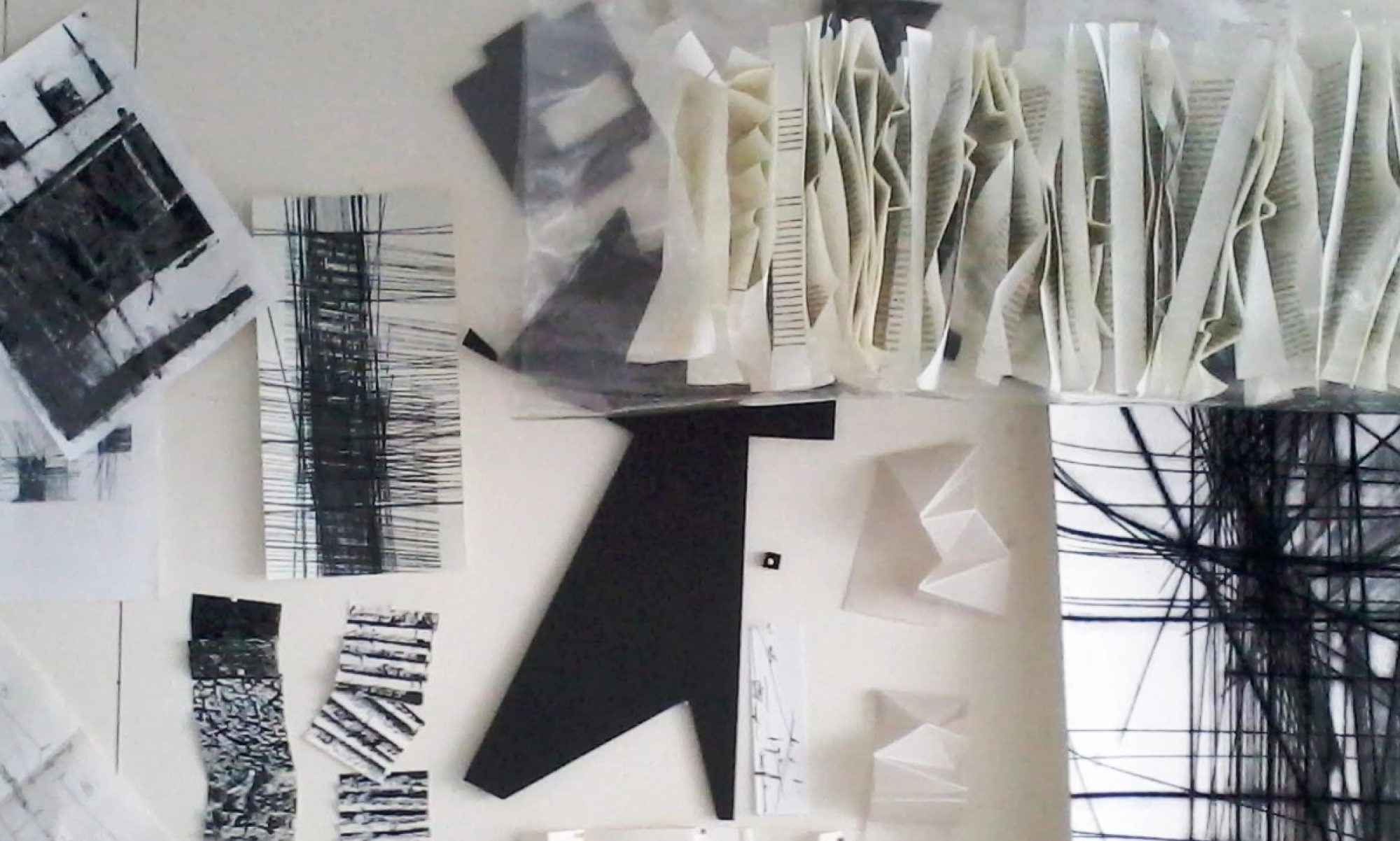
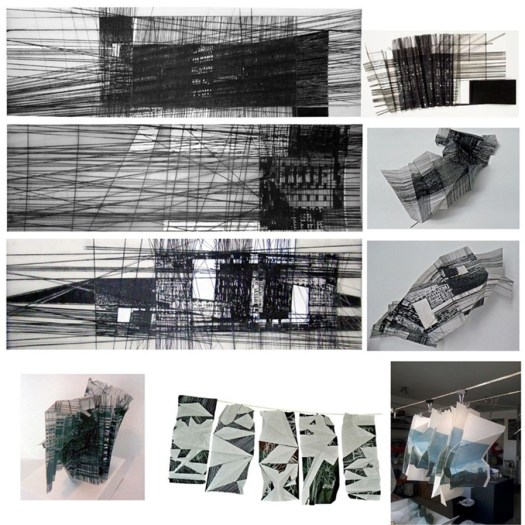
ESCENARIOS VELADOS, PAISAJES COMPRIMIDOS…
Lo que vemos no es lo que es. Un lugar es también una representación de experiencias sobrecargadas de conocimientos y juicios personales no necesariamente ciertos donde nos ubicamos o situamos; son un conjunto de relaciones y conexiones construidas.
Esas representaciones que construimos, percibimos o imaginamos, son sólo ideas parciales de esa realidad. Estas percepciones están veladas por nuestros propios “modos”, de modo que, la idea de paisaje se convierte en una representación particular, en este caso, de las estructuras abstractas que reconocemos que lo sustentan pero que no son necesariamente definitorias, al final son una compleja construcción cultural.
Las estructuras emergentes comienzan a tener una identidad y vida propia, por sí mismas, empiezan a manifestarse como parte del sistema, se convierten en parte del nuevo paisaje a operar; una imagen con su propia lógica que expresa una operación extrema y finalmente extrae una síntesis de las partes y elementos que le dan forma y que vincula sus propias relaciones. En ese sentido, el pliegue comprime la imagen a su forma esencial, revelando el patrón o estructura espacial oculta que la sostiene. Una “última” operación representativa de esa complejidad no evidente.
VEILED SCENARIOS, COMPRESSED LANDSCAPES…
What we see is not what is. A place is also a representation of experiences overloaded with knowledge and personal judgments that are not necessarily true of where we are located; they are a set of relationships and connections built.
Those representations that we build, perceive or imagine are only partial ideas of that reality. These perceptions are veiled by our own «modes», so that the idea of landscape becomes a particular representation, in this case, of the abstract structures that we recognize as supporting it but that are not necessarily defining, in the end they are a complex cultural construction.
The emerging structures begin to have their own identity and life, by themselves, they begin to manifest as part of the system, they become part of the new landscape to operate; an image with its own logic that expresses an extreme operation and finally extracts a synthesis of the parts and elements that give it shape and that links its own relationships. In that sense, the fold compresses the image to its essential form, revealing the hidden pattern or spatial structure that sustains it. A “last” operation representative of that non-evident complexity.
 Francisco Martín Domínguez